

Develop a more resilient,
flexible nervous system.
NeurOptimal® Dynamical Neurofeedback® — gentle, effortless, non-invasive sessions designed to support focus, sleep, clarity and well-being.
What is Neurofeedback?
Neurofeedback is a form of brain training that gives the brain real-time information about its own activity. Just as feedback helps us adjust movement, balance or performance, neurofeedback gives the brain information it can use to notice its own patterns and adapt.
At REMIND, we use NeurOptimal®, the world’s only Dynamical Neurofeedback® system. It is an advanced, non-invasive approach designed to work with the brain’s natural capacity to regulate and adapt.
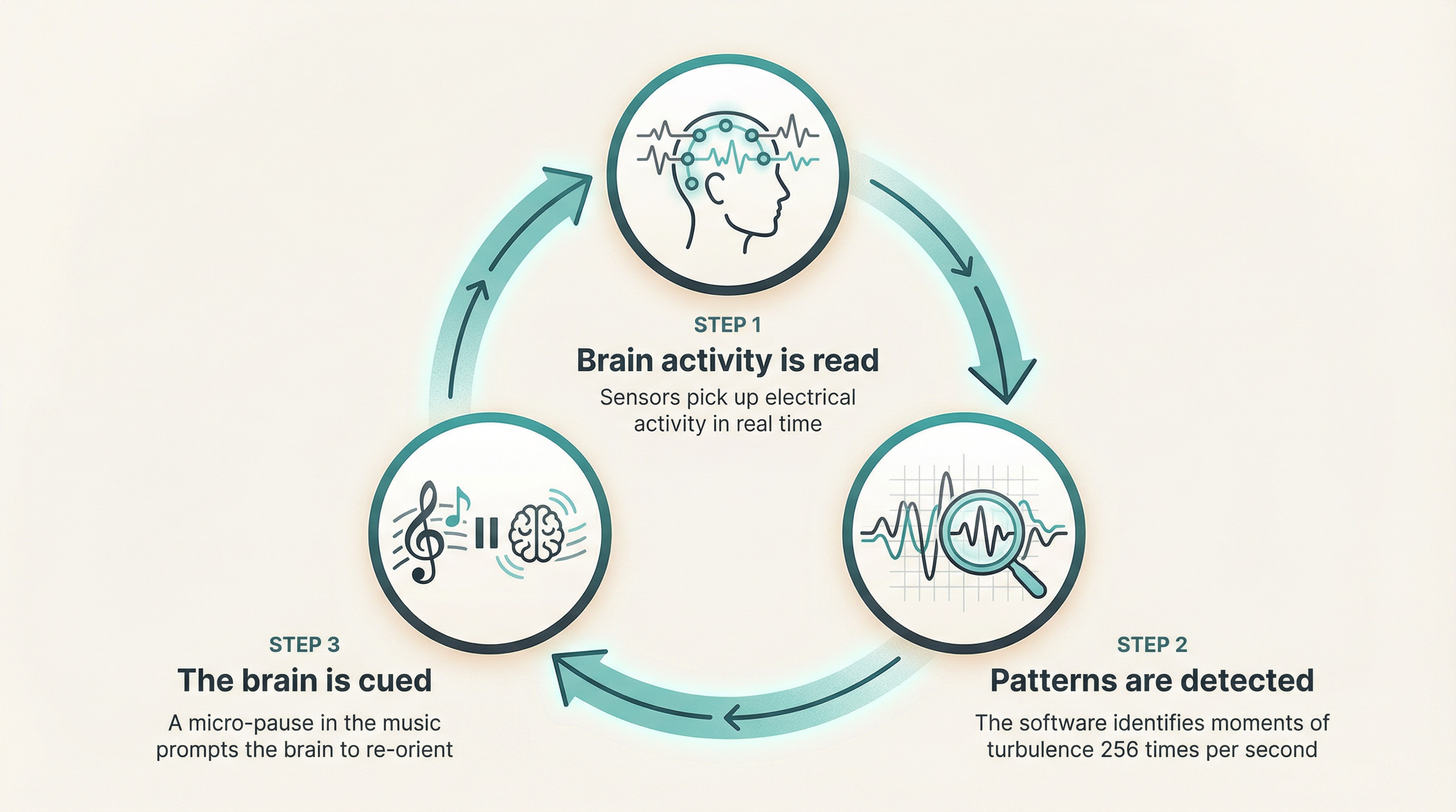
During a session, sensors read electrical brain activity while you relax and listen to music. NeurOptimal® tracks moment-to-moment changes in that activity and briefly interrupts the audio at precise points.
These interruptions provide feedback about what has just changed. Rather than directing the brain toward a particular state, NeurOptimal® gives the nervous system information it can use to fine-tune, self-regulate and adapt.
There are no exercises, targets or particular mental states to achieve. You simply sit comfortably, listen to the music and let your brain do the work.
A training session lasts approximately 33 minutes.
Gentle & Non-Invasive
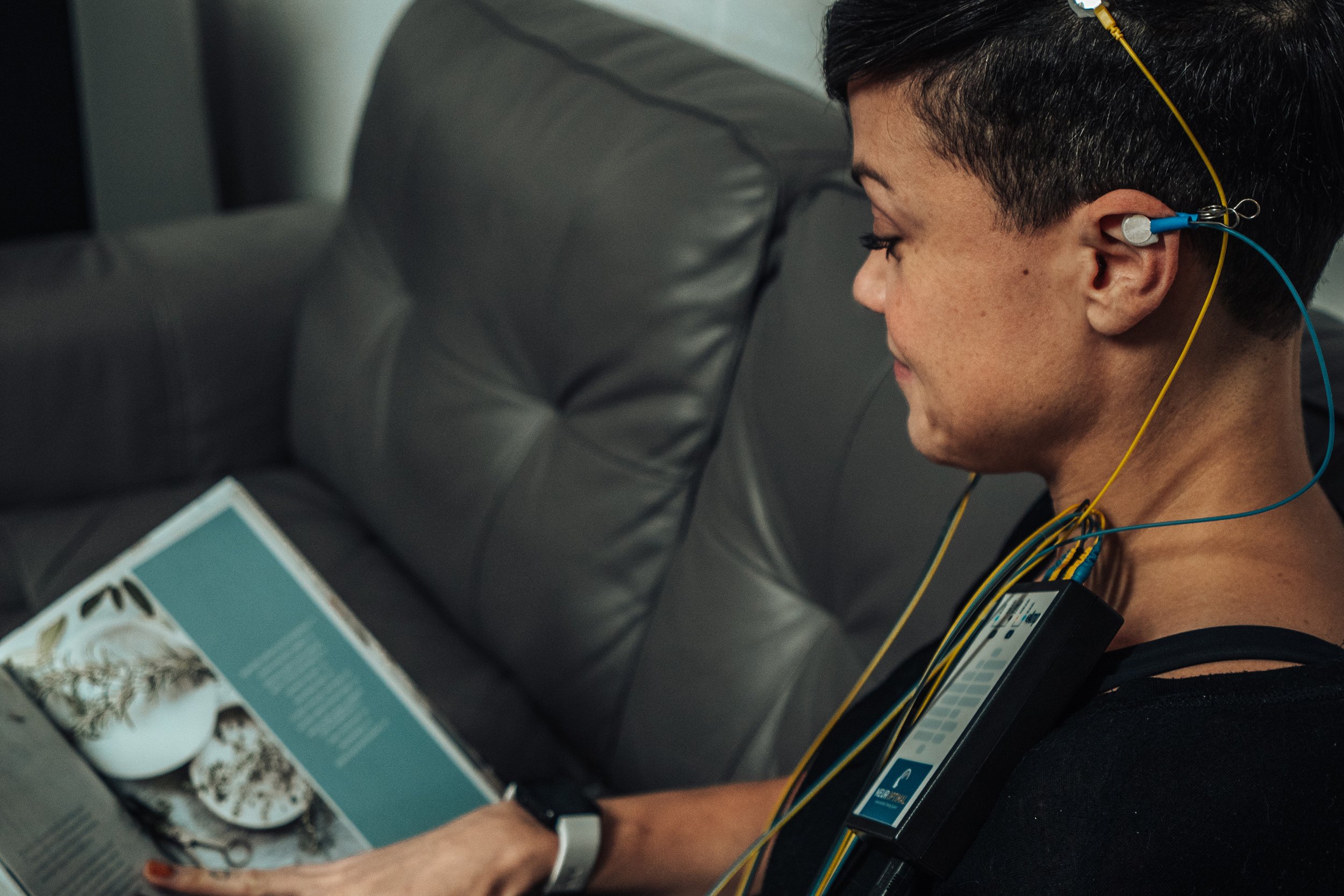
Sensors read electrical activity from the scalp. Nothing is stimulated or sent into the brain.
Dynamic & Adaptive
Rather than following a predetermined training protocol, NeurOptimal® responds to moment by moment changes in brain activity as they happen.
Effortless
No concentration, exercises or conscious control are required. Read, close your eyes or simply enjoy the music.
How a Session Works
1. Get Comfortable
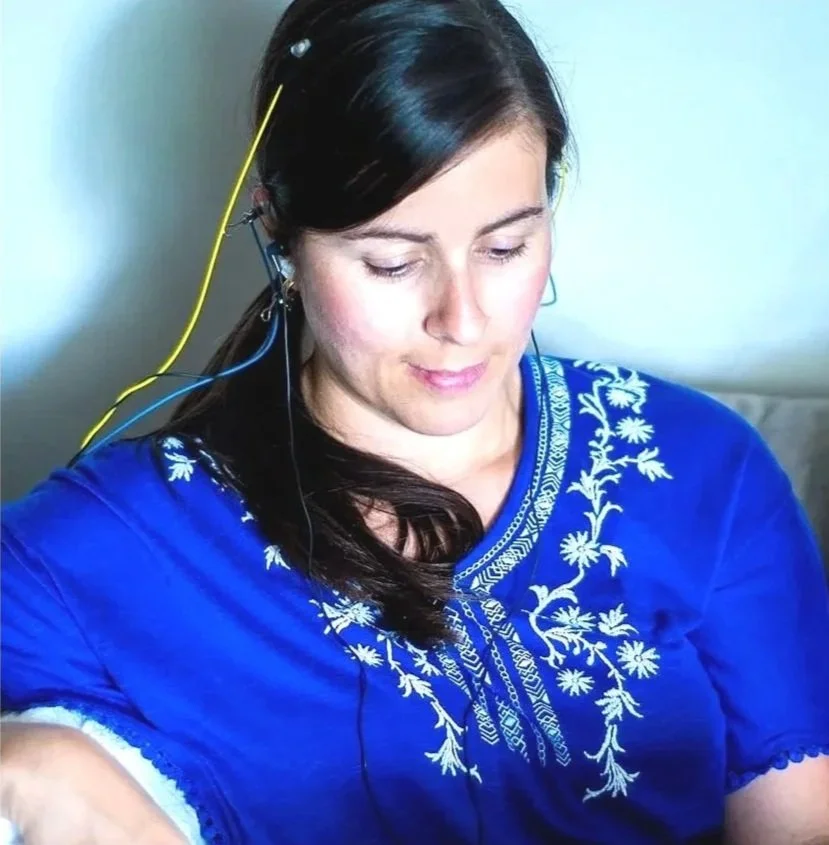
We place two small sensors on the scalp and three clips on the ears.
2. Relax
You sit back in a comfortable chair and listen to a calming music track for 33 minutes. You can close your eyes, read, or just rest.
3. Hear the feedback
Brief interruptions in the sound give the nervous system real-time information.
4. Let the Brain Respond
The nervous system uses that information to regulate, fine-tune and adapt.
-
Many forms of neurofeedback train selected brainwave frequencies toward predefined targets. NeurOptimal® takes a different approach. Its software continuously tracks changes in electrical brain activity and provides feedback without prescribing what the brain should do next.
When NeurOptimal® detects a significant shift in the EEG signal, it briefly interrupts the audio. That interruption gives the nervous system information about what has just happened.
The sensors remain read-only throughout the session. Nothing enters or stimulates the brain.
Because the software manages the feedback dynamically and automatically, NeurOptimal® does not require a diagnosis or a practitioner-selected training protocol.
Why People Train
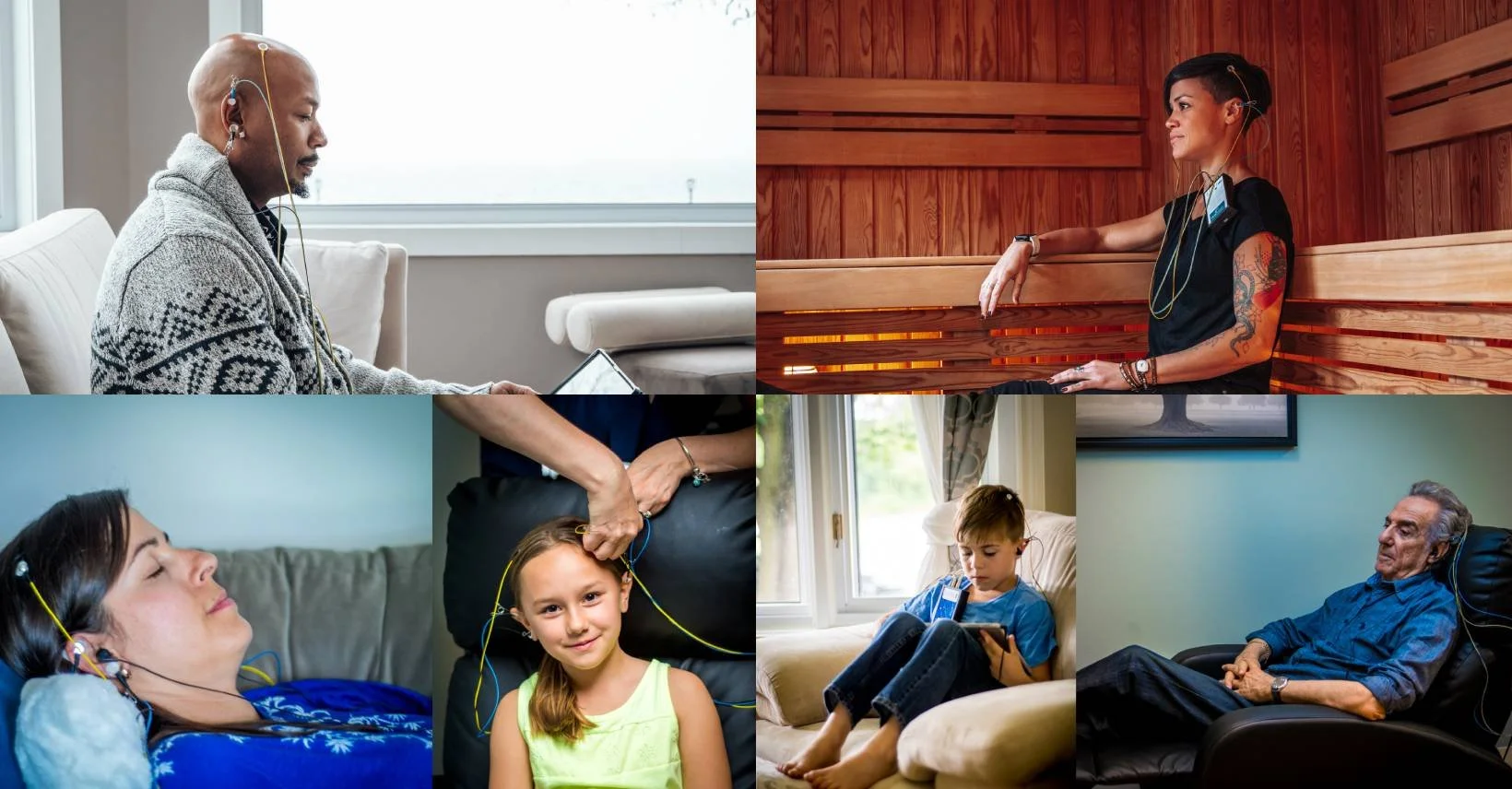
Different people come to neurofeedback with different goals.
NeurOptimal® can support greater flexibility and regulation when the nervous system becomes stuck in repetitive patterns of stress, reactivity or dysregulation — including patterns that can follow trauma, prolonged stress or overwhelm. People also come to optimize their focus and mental performance.
Stress & Resilience
Support greater regulation, adaptability and recovery during periods of stress and pressure.

Sleep
Support the ability to settle, unwind and move toward more restorative sleep.
Focus & Mental Clarity
Support concentration, mental clarity and greater ease staying engaged.
Emotional Balance
Support a steadier response to emotional demands and greater ease returning to balance.


Performance
Support focus, creativity, composure and performance under pressure.
Built on Decades of Neurofeedback Research
Neurofeedback has been studied more than five decades, beginning with early EEG biofeedback research and continuing today across areas such as learning, attention, self-regulation and performance.
NeurOptimal® grew from this broader field while developing a distinctly dynamical approach to neurofeedback. The technology has evolved over more than 25 years and now has an international user community. Whether you have questions or are ready to try a session, we would love to hear from you.
Figures reported by NeurOptimal® / Zengar Institute.
Research specifically involving NeurOptimal® also continues to grow, including peer-reviewed and academic work exploring stress, attention, cognitive functioning and well-being.
Meet Your Trainer
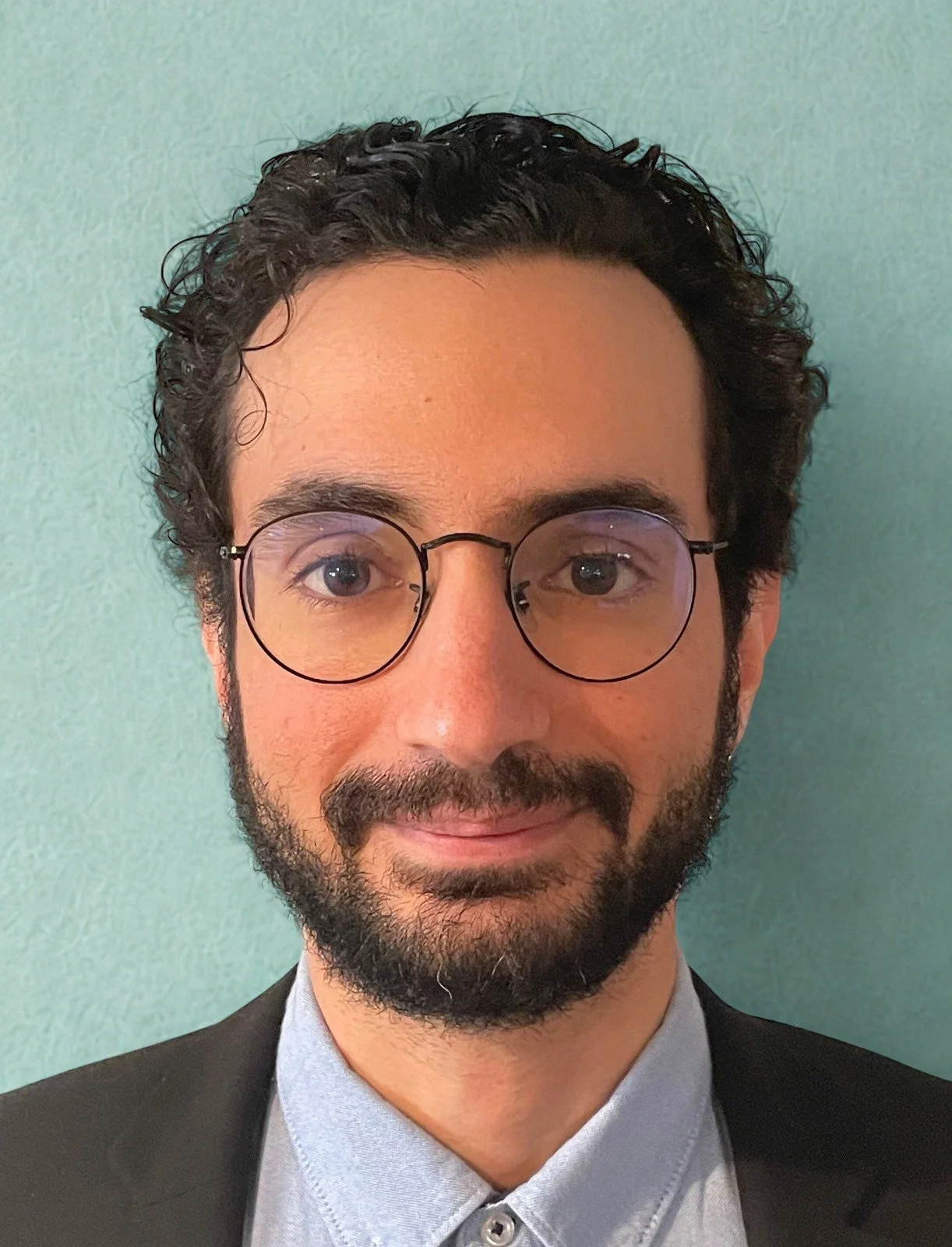
Neuroscience background. Human approach.
Ahmad Hachem is the lead provider of REMIND sessions.
He is an Advanced Certified NeurOptimal® Trainer with a Master’s in Cognitive Science and a B.Sc. in Neuroscience. He has conducted neurofeedback sessions in the UAE, Indonesia and Lebanon.
His academic background includes graduate research involving EEG and brain activity, alongside a longstanding interest in neurofeedback, dynamical systems and the brain’s natural capacity to adapt and self-regulate.
Advanced Certified NeurOptimal® Trainer
Master of Cognitive Science
B.Sc. Neuroscience
Your First Session
Trying neurofeedback for the first time is simple.
Your first appointment lasts approximately one hour and includes:
A short conversation about what brings you to neurofeedback
An introduction to NeurOptimal® and what to expect
Sensor setup
A complete 33-minute training session
Time afterward to check in about your experience
You do not need to prepare, practice or know anything beforehand.
Sessions are available at our Beirut location or in the comfort of your home.
Frequently Asked Questions
-
Yes. It is completely non-invasive — sensors read electrical activity, and the software provides auditory feedback through music. Nothing is added to the brain. It holds an FDA General Wellness designation in the United States and has been used across more than 3 million hours of training worldwide with no known negative side effects.
-
No. There is no sensation from the sensors. The experience is listening to music in a comfortable chair.
-
Most neurofeedback systems are protocol-based — a practitioner sets specific targets based on a diagnosis. NeurOptimal® is dynamical — it provides information to the brain and lets it self-organize without imposed targets or diagnoses.
-
This varies. Some people notice shifts early on; for others, it takes more time. A series of 10–20 sessions is a common starting range, but every brain is different. We track progress along the way to help inform decisions.
-
Yes. NeurOptimal® complements therapy and counseling well. Many therapists refer clients to neurofeedback. If you are on medication, continue following your doctor’s guidance.
-
Responses vary. Some people feel relaxed during the session. Some notice subtle shifts in clarity or mood afterward. Others don’t notice anything in the moment but observe changes over the following days. There is no expected or “correct” response.
-
Yes. Children’s brains are highly plastic, and they tend to respond well. The session is the same — sitting comfortably and listening to music. Young children can watch a movie or play quietly during the session.
-
NeurOptimal® is grounded in decades of research in neuroscience and non-linear dynamics. Over 400 peer-reviewed articles support the broader field of neurofeedback. Research specific to NeurOptimal® is growing — a few notable studies: a 2024 peer-reviewed study published in Brain Sciences found measurable reductions in salivary cortisol (a biological stress marker) after 21 NeurOptimal sessions. A 2025 retrospective analysis of 113 ADHD and anxiety patients found significant improvements in attention and anxiety scores over the course of training (Low et al., Archives of Clinical Trials). A University of Central Florida dissertation found significant reductions in ADHD symptoms, depression, and anxiety in college students after 16 sessions (Harris, 2017). And a study on post-chemotherapy cognitive impairment found significant improvements in cognition, fatigue, sleep, and psychological well-being after 20 sessions — with improvements maintained at follow-up (Alvarez et al., Integrative Cancer Therapies, 2013). NeurOptimal holds an FDA General Wellness designation in the United States. Research specific to NeurOptimal® continues to grow.
-
We bring everything — all that’s needed is a comfortable chair and a quiet space. The session is identical to in-studio, and the pricing is the same. If you’re starting with an at-home session rather than visiting the studio first, we’ll schedule a short introductory call beforehand.
-
Yes. We collaborate with schools, wellness centers, mental health professionals, and corporate clients. Visit our Partnerships page or get in touch.